
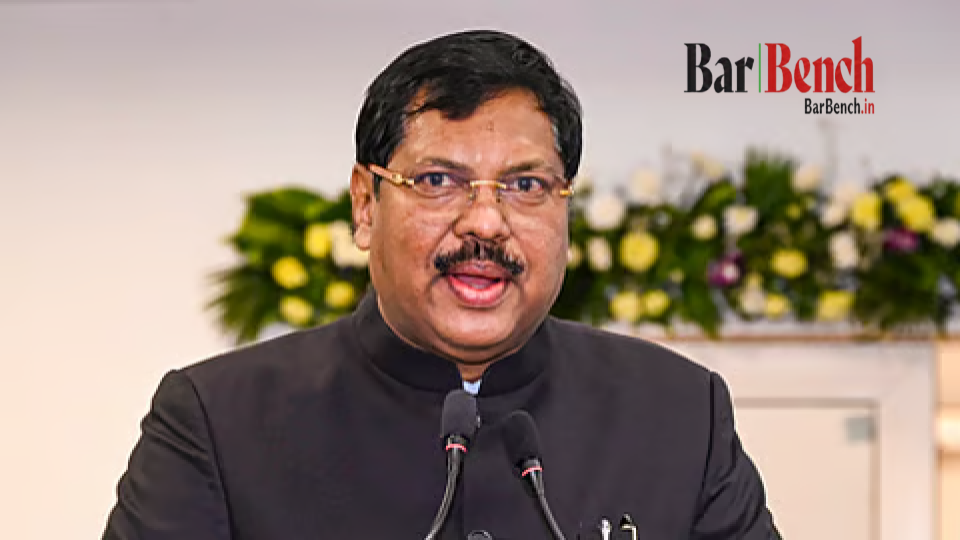
New Delhi: Former Chief Justice of India B R Gavai shared wide-ranging reflections on his tenure, the strength of India’s constitutional framework, judicial independence, social media challenges, and key national issues. Speaking about concerns that the Constitution is under threat, he said there is no cause for alarm.
He noted that the 1973 Kesavananda Bharati judgment clearly established that Parliament cannot change the basic structure of the Constitution, adding that the document remains fully protected.
Discussing Dr B R Ambedkar’s vision, Justice Gavai said Ambedkar believed that political democracy must be supported by social and economic democracy for true equality. He stressed that the legislature, executive, and judiciary must function cohesively so that justice is accessible to every citizen at minimal cost. He described this as his tribute to Ambedkar’s legacy.
When asked about allegations of government interference in judicial processes, he rejected the claim, explaining that the collegium considers inputs from multiple institutions. He said receiving information from the executive or investigative bodies does not imply pressure or influence.
On the controversy surrounding comments attributed to him online, he said he does not use social media and never made statements related to Lord Vishnu. He emphasized that judges should not be swayed by social media sentiment and should decide matters strictly on facts, evidence and the law.
Justice Gavai warned that technology, while beneficial, is vulnerable to misuse and poses risks to all institutions. He urged Parliament and stakeholders to consider appropriate laws to curb harmful behavior online. He also called personal attacks on judges unacceptable.
Commenting on national issues, he said courts can issue directions, but enforcement is the responsibility of the executive, referring specifically to Delhi’s pollution crisis. On Naxalism, he expressed optimism, noting that regions like Gadchiroli in Maharashtra, once heavily affected, have seen major improvement.
Reflecting on his judicial career, he said he is satisfied with his work and does not feel anything essential was left incomplete. He said he has never opposed post-retirement roles for judges. He also stated that he has no current plans to join politics and is taking time to rest.